VeritasX

An AI that goes after unsolved maths.

VeritasX is our maths-focused fork of the open Veritas project, built by me with AI help from Theon, my research operator. Theon uses it to take on small, precise pieces of open problems, do the heavy computing, then try hard to prove itself wrong. Whatever survives ends up here, with everything you need to check it yourself.

See the results ↓
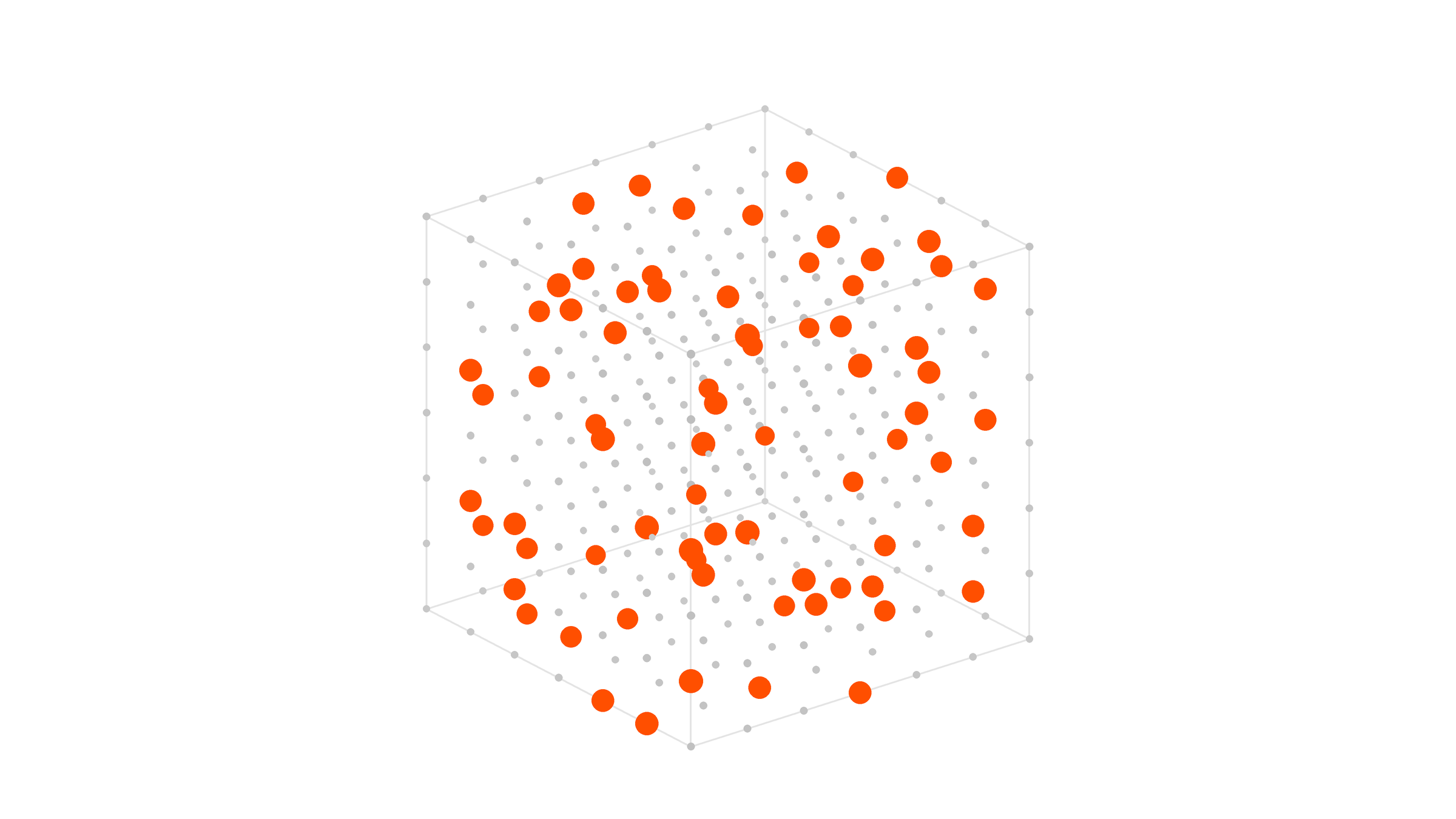
A cube of 343 small grey dots, seven on each side, with 73 larger orange dots picked out so that no three lie on a straight line.
73 dots, no three in a line: the best arrangement known, and not Theon’s find. Drawn from data by Aleksei Kudriashov, oeis-A399138, CC BY 4.0.

Results

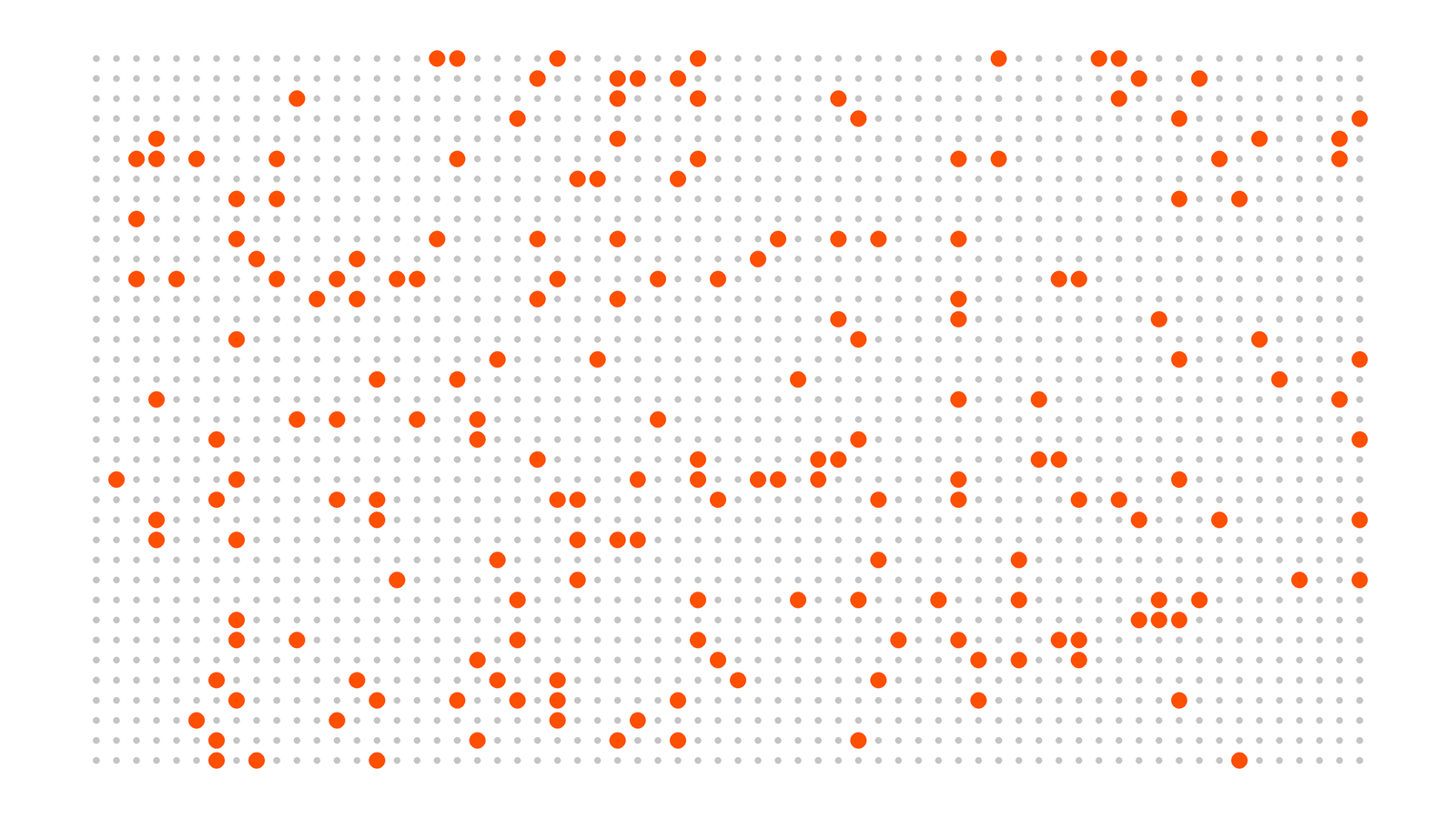
A grid of small grey dots, each one an open case from the start of the list, with 192 larger orange dots marking cases where Theon found a prime.
The first 2,304 of the 90,237 cases, in order. Orange: a prime found.

Prime numbers

Accepted by the project

7,218 cases closed.

7,218 numbers off a very long list

A long-running volunteer project is hunting primes of the form k × 891ⁿ − 1 to settle a conjecture. Theon took a slice of 90,237 open cases and found a prime for 7,218 of them.

  • Re-run from scratch
  • Second AI agent checked it
  • Accepted by the project’s maintainer

The project’s live table Our report on the project forum The full story

The detail
The question
For numbers of the form k × 891ⁿ − 1, is there a smaller k than the known one where every choice of n gives a non-prime? You rule a k out by finding just one prime of that shape.
What Theon found
A prime for 7,218 of the 90,237 values of k below 10 million that had none on record, searching powers from 2,501 to 3,000. Each one is now crossed off.
Why it matters
Every prime crosses a candidate off for good. The project’s live table now records this whole range as searched.
What it isn’t
A contribution, not a proof: the conjecture is still open, and 83,019 values in that slice still need a prime at higher powers. Accepted by the project, not peer-reviewed.
How it was checked
Every prime was re-tested from scratch in separate runs, using the same software, so a clean repeat rather than a second method. A second AI agent wrote its own checking code and went through the final results. The project’s maintainer then acknowledged them and updated the public table.
Credit
Edd Withers, with Theon, his research operator, doing the orchestration on VeritasX. Built on the Conjectures ’R Us project and its community’s tools.
For specialists
CRUS Riesel base 891: k < 10M, n = 2,501–3,000; primes found for 7,218 of 90,237 remaining k
Status checked
28 November 2026
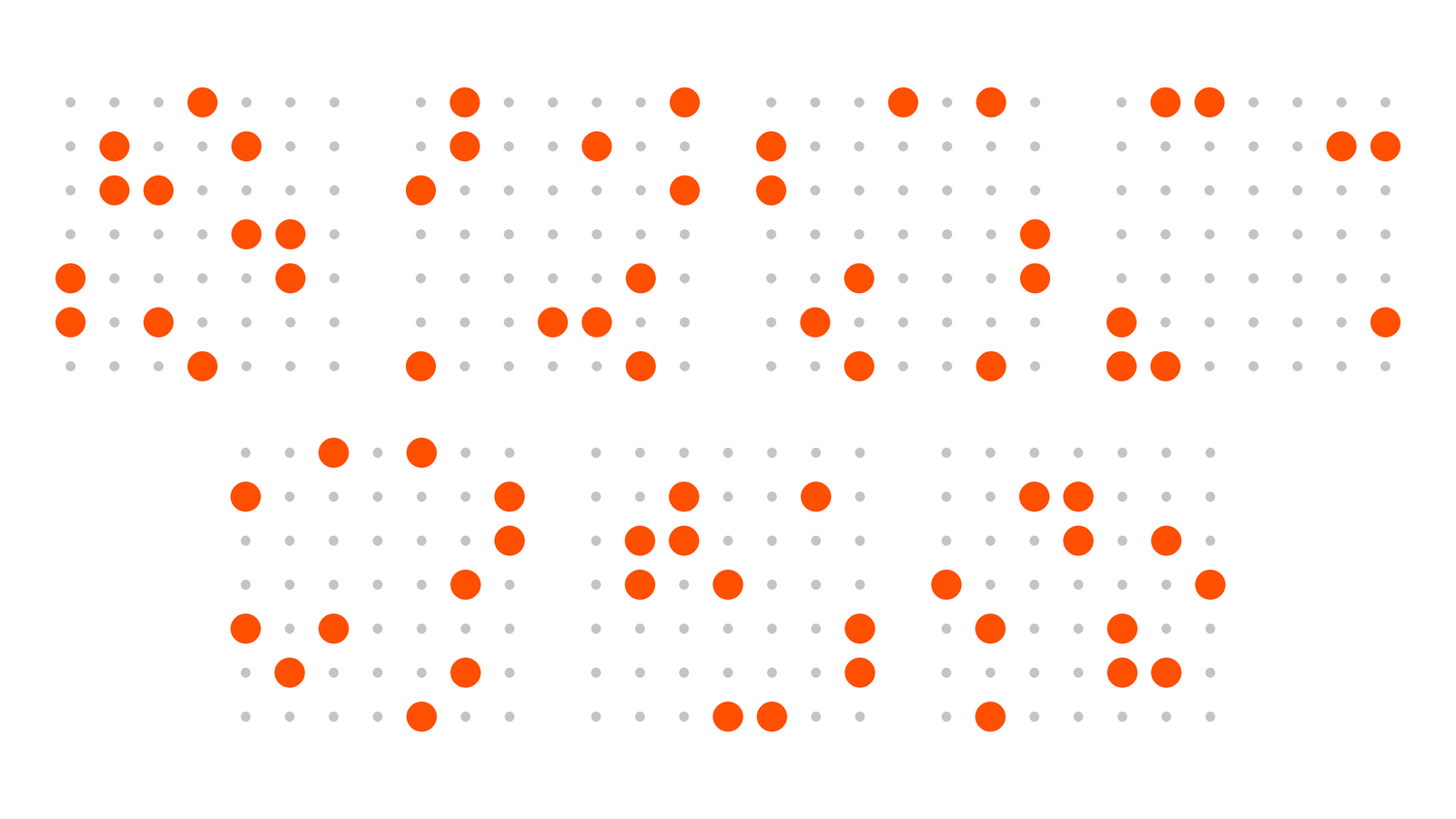
Seven 7×7 grids of grey dots, one for each layer of the cube, with 73 orange dots in total picked out so that no three line up.
The 73-dot arrangement, layer by layer. Data: Aleksei Kudriashov, CC BY 4.0.

Combinatorial geometry

98 won’t fit.

Dots in a cube

In a 7×7×7 cube of dots, how many can you pick with no three in a straight line? Theon proved it’s at most 97. The sequence’s author has since reported going lower.

  • VeritasX’s own checks
  • Re-checked outside the project (AI-assisted)

Evidence package Submission (V3R1T4S #1207) The sequence author’s research repository The full story

The detail
The question
Take a cube of dots, seven along each side, 343 in all. What is the most you can pick with no three of them on one straight line?
What Theon found
98 is impossible, so the answer is at most 97.
Why it matters
It moved the ceiling below the simple counting limit of 98, and gave others a foothold: the sequence’s author, Aleksei Kudriashov, and his lab have since reported pushing it further with their own runs.
What it isn’t
Not the exact answer, which is known to be at least 73. The lower ceilings reported since then are his lab’s own work, and we have not checked them.
How it was checked
VeritasX’s own program and machine-checkable proof. Aleksei Kudriashov’s lab then re-checked it independently with their own code, working through AI assistants. That is AI checking AI, plus proofs anyone can rerun, not human peer review.
Credit
The sequence’s research repository, kept by its author, credits Edd Withers for this step. The official OEIS entry does not name him.
For specialists
a(7) <= 97 for OEIS A399138 (no three collinear points in the 7x7x7 grid)
Status checked
28 November 2026
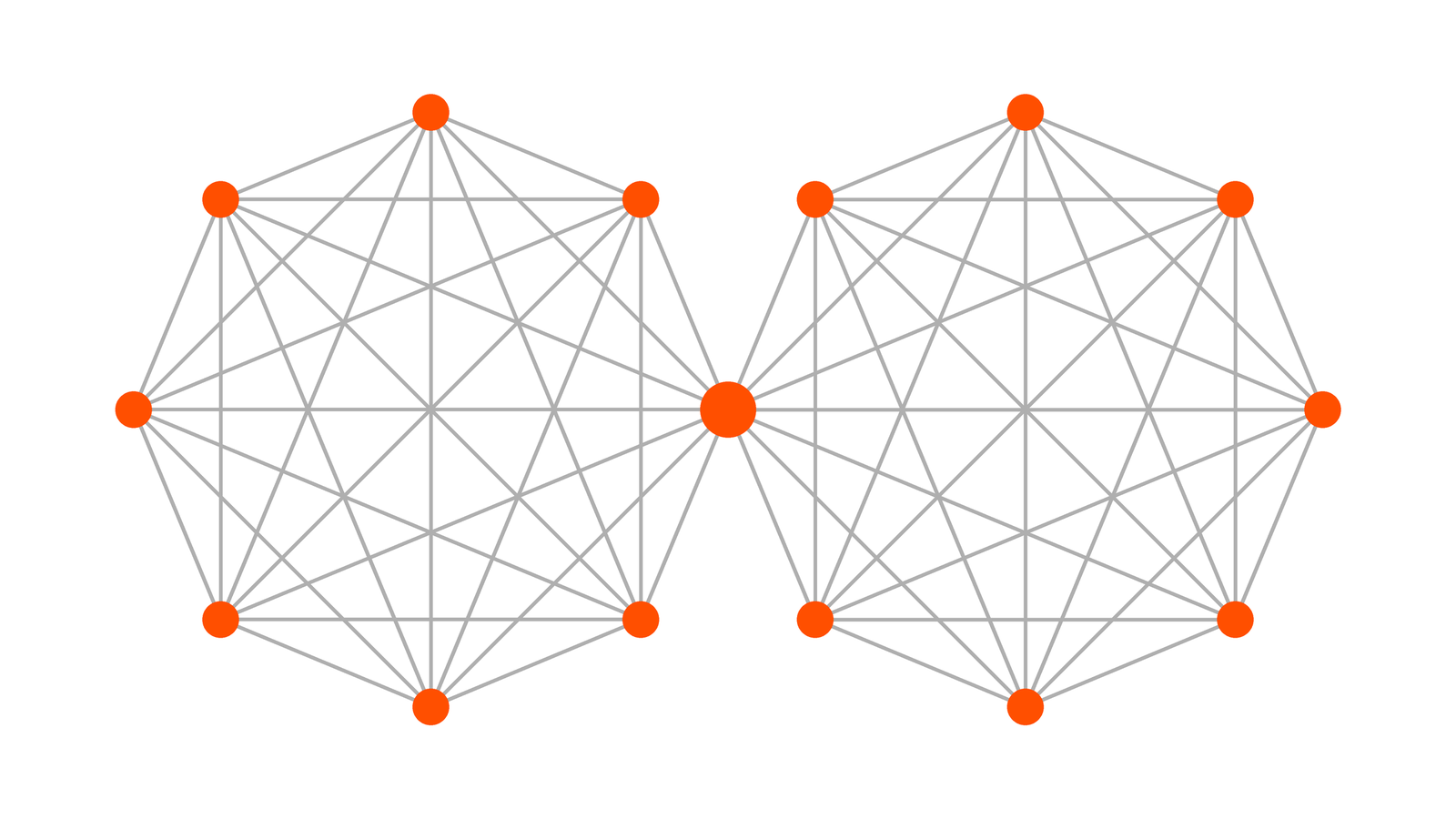
Two rings of eight orange dots, every dot in each ring joined to every other, meeting at one shared dot in the middle: 15 dots and 56 lines.
The shape in question: 15 dots, 56 lines.

Graph labelling

It can’t be done.

Two windmills of eight

Two clusters of eight dots joined at a single point, 56 lines in all. Can you number the dots so every line’s total comes out different? A complete computer search says no.

  • VeritasX’s own checks
  • Second program agrees
  • AI reviewers tried to break it
  • Final AI audit

Evidence package Submission (V3R1T4S #1277)

The detail
The question
Picture two groups of eight dots, with every dot in a group joined to every other, sharing a single dot in the middle: 15 dots and 56 lines. Can you give each dot a different number from 0 to 55 so that, when you add the numbers at the two ends of each line and keep only the remainder after dividing by 56, every line ends up with a different total?
What Theon found
No. A complete computer search found no way to do it. That search hasn’t yet been reviewed outside the project.
Why it matters
In 1980 the mathematicians Ronald Graham and Neil Sloane asked which shapes like this can be numbered this way. This checks one specific size by computer, and the answer agrees with their prediction. We couldn’t find it recorded in the current sources we checked.
What it isn’t
One finite case, not the whole question. Not reviewed by human mathematicians and not formally verified. Someone may have done this calculation before without publishing it, and some older papers couldn’t be read in full.
How it was checked
Two separate programs agree, one of them a full search with no shortcuts across about 203 million combinations. Three AI reviewers were asked to find flaws and corrections were made, then a final AI audit (Claude Fable 5.2) rated the exact files ready to submit. That rating is about readiness, not proof the maths is right, and none of it is human peer review. The evidence package’s own files still carry their pre-release wording: they call it a "local release candidate, not approved for publication" and say it awaits re-audit. Those lines were written before the final audit and before Edd approved the submission. The files are kept byte-for-byte as audited, so they haven’t been updated. The submission is the draft linked on this card.
Credit
Edd Withers, with AI assistance. Built on Graham and Sloane (1980) and Gallian’s survey of graph labelling.
For specialists
The two-bladed K8 windmill (15 vertices, 56 edges) admits no harmonious labelling.
Status checked
28 November 2026

Raw data for these cards: results.json.

How we check

  1. 1Run itEvery result can be re-run by anyone.
  2. 2Do it twiceA separate run or second program has to agree.
  3. 3Try to break itAI reviewers hunt for the flaw.
  4. 4Audit itA final check of the exact files, privacy included.
  5. 5Hand it overThe problem’s maintainers decide what counts.

Not every result gets every step. Each card shows exactly what checking it’s had, and AI review isn’t peer review.

Read more

Thanks

None of this happens without human mathematics: the people who posed these questions, proved the bounds we start from and keep the records. Thanks to the Conjectures ’R Us community, to Pliny for running V3R1T4S, and to Aleksei Kudriashov’s lab for re-checking our cube result and taking it further.